

Sommaire
Registering your business in Cambodia is your first step toward unlocking exciting opportunities in both public and private sectors. Once you register your business, a wide range of tenders become accessible, offering numerous chances for growth. You might wonder how to step confidently into these challenges. Understanding the specific requirements and compliance for tenders in Cambodia will be crucial, ensuring your business meets all necessary criteria.
From aligning your business structure with local regulations to managing essential documents, each step is important. But there’s more to it than just checking boxes. Successfully navigating these processes requires strategic insight. Together, we’ll explore effective strategies for winning these tenders, setting the stage for lasting success. Ready to embrace this journey ? Let’s dive in and see the benefits of completing business registration in Cambodia.
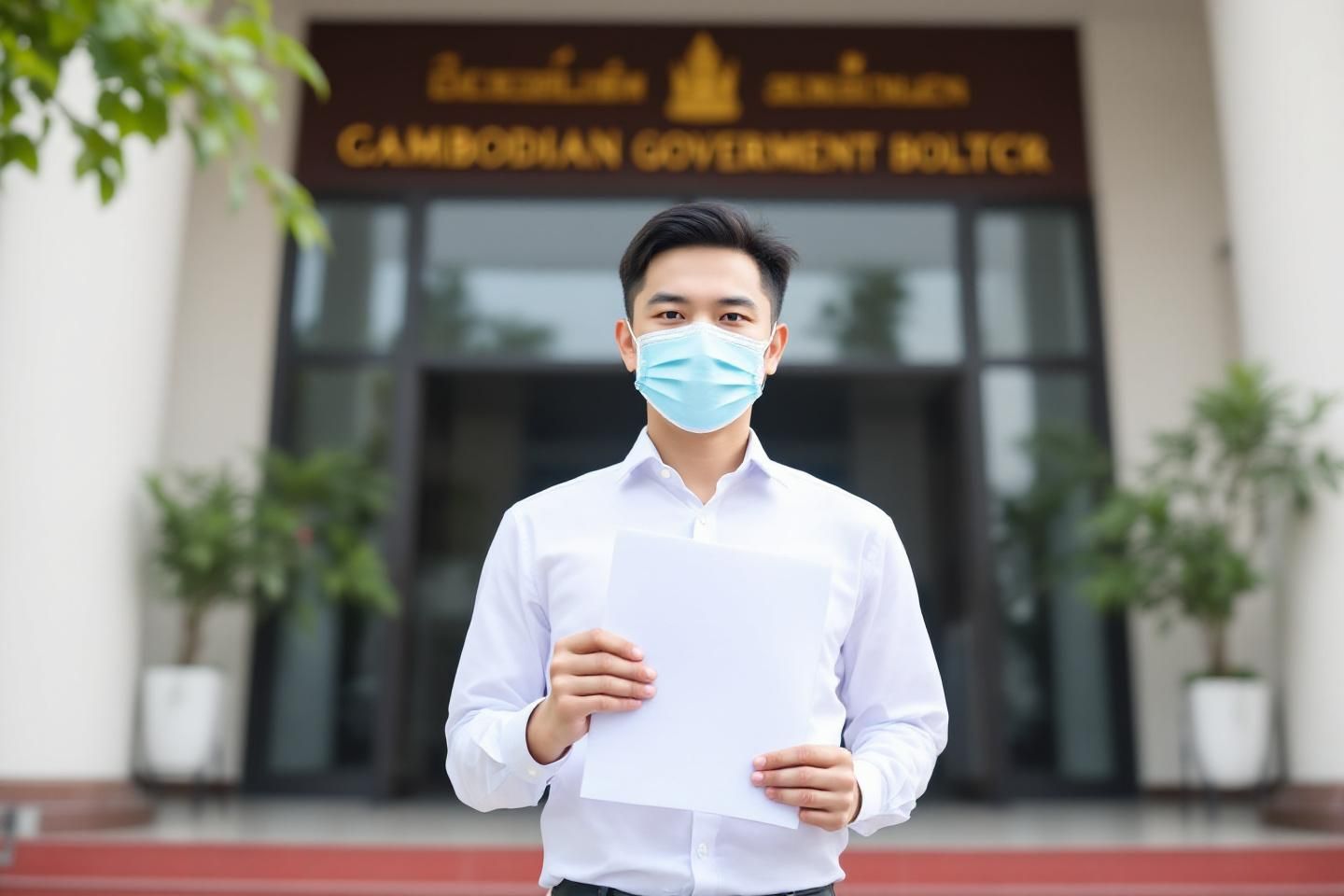
How business registration in Cambodia leads to tender opportunities
Embarking on the journey of business registration in Cambodia unlocks a myriad of opportunities, particularly when it comes to public and private tenders. By establishing a legal presence, you position your enterprise to tap into the vibrant economic landscape that Cambodia offers. This strategic move not only provides legitimacy but also opens doors to lucrative projects that require compliance with local regulations.
Having access to government contracts and private sector projects could propel your business growth exponentially. With Cambodia’s burgeoning economy and its strategic location in Southeast Asia, registered businesses enjoy a competitive edge. The process might seem daunting at first, especially with the intricate legal frameworks and potential language barriers. However, by aligning with seasoned consultants or agencies who understand the nuances of Cambodian regulations, you can navigate these challenges seamlessly.
Key Benefits of Registration
By registering your business in Cambodia, you gain:
- Legitimacy: A registered entity is seen as credible and trustworthy, essential for securing tenders.
- Access to Incentives: Benefit from investment incentives designed to attract foreign participation.
- Market Entry: Establishing a foothold in a strategic region can lead to regional expansion opportunities.
The process involves understanding specific requirements such as ownership laws and tax obligations. By doing so, you ensure compliance, which is critical for tender eligibility. The Cambodian market rewards those who demonstrate agility and adherence to local norms. So why wait? Dive into this dynamic environment where your registered business can thrive amidst public and private sector collaborations.
Understanding requirements and compliance for tenders in Cambodia
Navigating the world of tenders in Cambodia can seem daunting, but it becomes manageable once you understand the essentials. To start, every business looking to participate in public or private tenders must be registered and compliant with local regulations. This means ensuring your business is recognized by the Ministry of Commerce and adheres to Cambodian legal standards.
Key Requirements for Tender Eligibility
Before you dive into tender opportunities, make sure you’re aware of these critical requirements:
- Business Registration Certificate: Your company must have a valid registration certificate from the Ministry of Commerce.
- Tax Compliance: Ensure all tax obligations are met, including obtaining a Tax Identification Number (TIN) and fulfilling annual tax declarations.
- Licenses and Permits: Depending on your industry, specific licenses or permits may be necessary. Always verify which ones apply to your operations.
Compliance Checklist
A well-prepared compliance checklist can save you headaches down the road. Here are some points to consider:
- Financial Statements: Keep audited financial statements ready as they might be required for credibility checks.
- Employee Records: Maintain accurate records of employees’ contracts and social security contributions.
- Sustainability Practices: Increasingly, tenders emphasize sustainable practices. Highlight any eco-friendly initiatives your company undertakes.
Tackling these elements not only enhances your eligibility but also strengthens your reputation as a reliable partner. Remember, being proactive about compliance shows potential clients that you mean business—literally! With these tools at your disposal, you’re not just meeting requirements; you’re setting up your enterprise for success in Cambodia’s dynamic market landscape.
Strategies for winning public and private tenders in Cambodia
Navigating the tender landscape in Cambodia presents a unique opportunity for your business to expand its reach. To successfully win these tenders, you’ll need a strategic approach that aligns with both local norms and international standards. Consider these key strategies:
Understand the Local Market Dynamics
Before diving into the tender process, immerse yourself in Cambodia’s market intricacies. The country is experiencing an economic renaissance, driven by sectors like construction, agriculture, and tourism. By understanding these dynamics, you can tailor your proposals to meet specific market demands.
Build Strong Local Partnerships
Establishing robust relationships with local entities can significantly enhance your competitive edge. These partnerships not only provide valuable insights into cultural nuances but also bolster your credibility with decision-makers. Consider forming alliances with Cambodian firms that complement your offerings.
Ensure Compliance and Quality Standards
Tenders in Cambodia require strict adherence to compliance and quality benchmarks. Ensure all documentation is meticulously prepared and aligns with both national regulations and any specific requirements outlined in the tender documents. This demonstrates professionalism and reliability.
Leverage Technology for Efficiency
Utilize technology to streamline your tender submission process. Platforms that automate document management or facilitate real-time collaboration can save time and reduce errors. This efficiency allows you to focus more on crafting a compelling proposal.
Diversify Your Offerings
Cambodia’s diverse economy means there’s room for innovation across various sectors. By diversifying what you offer—whether through new products or services—you increase the likelihood of meeting the specific needs of different tenders.
Highlight Sustainable Practices
Sustainability is becoming increasingly important in business operations worldwide, including in Cambodia. Highlighting eco-friendly practices or sustainable sourcing in your proposals could set you apart from competitors who overlook these aspects.
By adopting these strategies, you position yourself as a formidable contender in Cambodia’s vibrant tender market. Remember, each step taken towards understanding local contexts and building strategic alliances brings you closer to securing those coveted contracts.
FAQ
What are the steps to register a business in Cambodia ?
Registering a business in Cambodia involves several key steps. First, you must reserve a company name at the Ministry of Commerce (MOC). This is followed by the submission of documents such as the Articles of Incorporation, and anti-money laundering forms, as well as obtaining a Certificate of Incorporation. The next steps include registering for taxes with the General Department of Taxation and notifying the Labor Ministry to comply with employment regulations.
What types of business structures are available in Cambodia ?
In Cambodia, the most common business structures include limited liability companies (LLCs), sole proprietorships, general partnerships, and foreign branch offices. LLCs are the most popular due to their flexibility and limited liability protection. Sole proprietorships are simpler to set up but offer less protection, while foreign branches are suitable for companies looking to expand their operations without forming a separate legal entity.
How long does the business registration process take in Cambodia ?
The time frame for registering a business in Cambodia can vary depending on the business structure and the completeness of documentation provided. Generally, the process can take from two to four weeks. Engaging professional services or law firms with experience in Cambodian regulations can expedite the process. Patience is crucial due to potential bureaucratic delays.
Are there any incentives for foreign investors in Cambodia ?
Cambodia offers several incentives for foreign investors, including tax holidays, duty exemptions, and investment protections under the law. The Cambodian Investment Board, under the Council for the Development of Cambodia, provides detailed information and assistance. These incentives aim to attract investment in sectors such as tourism, textiles, agriculture, and infrastructure, helping to boost economic development.
What are the compliance requirements for registered businesses ?
Registered businesses in Cambodia need to adhere to various compliance requirements. These include maintaining proper accounting records, filing annual tax returns, and adhering to labor laws, including employee contracts and social security contributions. Additionally, businesses must renew their business registration and relevant licenses annually to avoid penalties. Regular updates on legal changes are crucial for ongoing compliance.
We recommend these other pages :
- How does business registration in Cambodia facilitate access to the local market and increase visibility?
- How does business registration in Cambodia secure intellectual property and protect the brand?
- How does business registration in Cambodia enable legal recruitment and attract qualified talent?
- How does business registration in Cambodia reduce legal risks and protect against disputes?
- How does business registration in Cambodia facilitate import-export and streamline trade exchanges?
