

Sommaire
Cambodia’s seaports play a central role in supporting investment opportunities in Cambodia and facilitating exports for investors. These ports are the gateways to economic growth, connecting local businesses to global markets. If you’re exploring investment options, understanding the impact of seaports can provide significant insights into your ventures.
We will delve into how these seaports not only boost investments but also make exporting more manageable for businesses like yours. You’ll discover the strategic advantages associated with investing in port-related sectors and how these can enhance your business operations. Whether you’re new to this market or looking to expand, recognizing the long-term prospects that investment opportunities in Cambodia offer with the support of investment services in Cambodia can be a game-changer for your investment strategy.
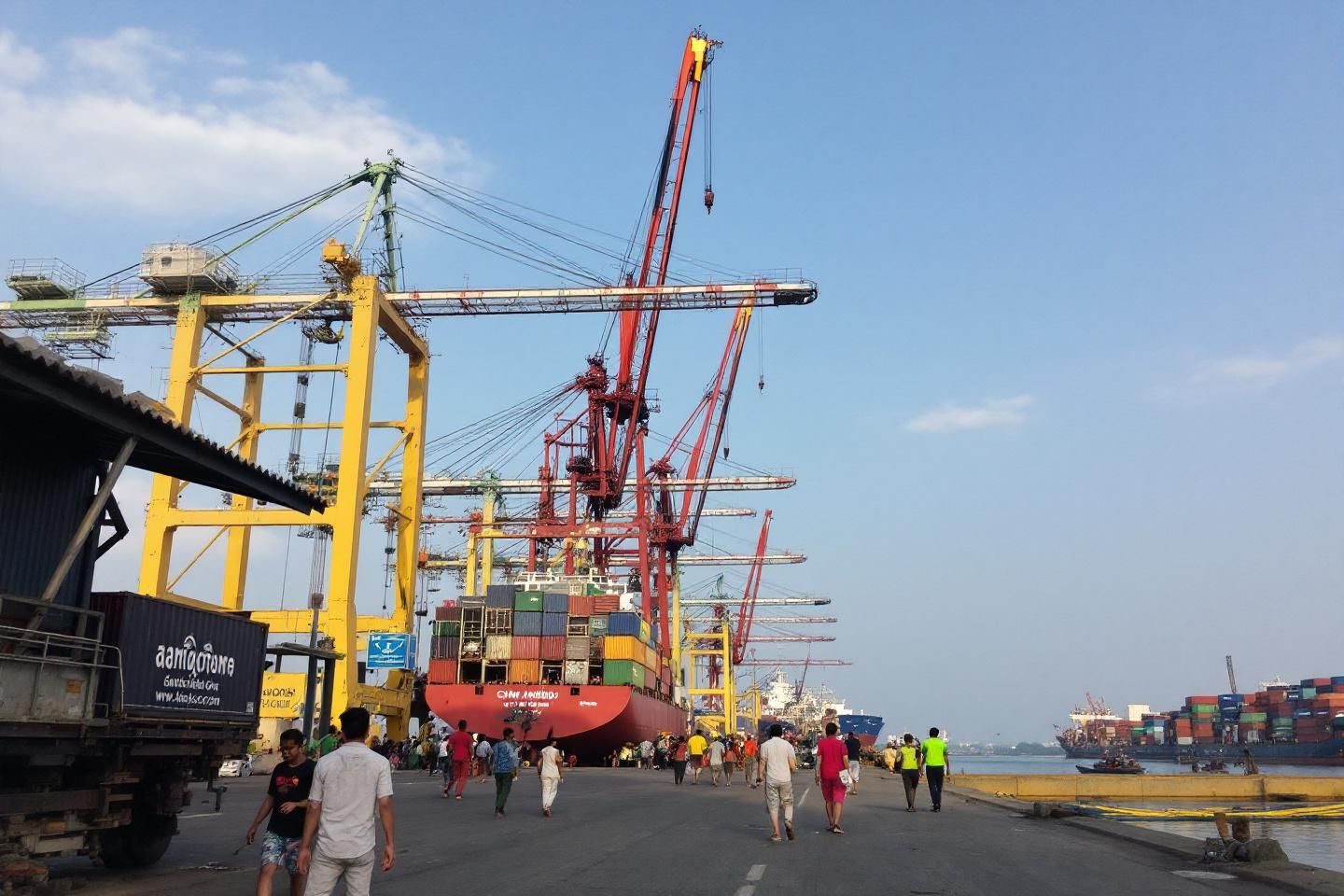
The role of Cambodia’s seaports in supporting investment opportunities
When you think about investing in Cambodia, seaports might not be the first thing that comes to mind. Yet, these bustling hubs are pivotal to the nation’s economic tapestry. They serve as vital conduits for trade, linking Cambodia with international markets and enhancing its appeal as an investment haven. Picture this: a dynamic port like Sihanoukville, teeming with activity, where goods flow seamlessly across borders. This efficient movement is crucial for sectors like manufacturing and agriculture, which rely on swift export capabilities.
Key Benefits of Investing Near Seaports
Investing near Cambodia’s seaports offers several strategic advantages:
- Proximity to Trade Routes: Being close to major shipping lanes means reduced transportation costs and quicker access to global markets.
- Enhanced Infrastructure: Ports are often surrounded by well-developed infrastructure, including roads and logistics facilities that support business operations.
- Diverse Opportunities: From warehousing to logistics services, there are myriad opportunities for investors looking to capitalize on port-related activities.
Cambodia’s commitment to improving its maritime infrastructure further amplifies these benefits. The government’s initiatives aim at modernizing port facilities and expanding capacity, ensuring they can handle increased trade volumes efficiently. For you as an investor, this translates into a more robust supply chain and greater reliability in moving your products.
Navigating Challenges with Local Expertise
You might wonder about the challenges of investing in such a dynamic environment. Language barriers or unfamiliar regulations could seem daunting. However, partnering with local experts who understand the intricacies of Cambodian market dynamics can smooth your journey. They offer insights into navigating regulatory landscapes and connecting with trustworthy local partners.
The synergy between Cambodia’s seaports and investment opportunities is undeniable. As these ports continue to evolve, they bolster the country’s position as an attractive gateway for Southeast Asian commerce—offering you untapped potential in a burgeoning economy.
How Cambodia’s seaports facilitate exports for investors
Your business is poised to tap into the burgeoning markets of Southeast Asia. Cambodia’s seaports are your gateway, offering a seamless conduit for exports. With strategic locations along the Gulf of Thailand, ports like Sihanoukville and Phnom Penh provide pivotal access points that connect you to global trade routes. These ports have undergone significant enhancements, focusing on infrastructure improvements and modern logistics solutions.
Logistical Efficiency
Enhanced logistical efficiency is crucial for any investor looking to optimize supply chain operations. Cambodia’s seaports are equipped with advanced cargo handling facilities and streamlined customs procedures, significantly reducing turnaround times. For instance, the introduction of electronic data interchange (EDI) systems at these ports has minimized paperwork, expediting the clearance process.
Cost-Effective Operations
Operating costs can be a concern when exporting goods. However, Cambodia offers competitive port fees and operational costs compared to neighboring countries. This cost-effectiveness is a boon for businesses aiming to maximize profit margins while maintaining high-quality service delivery.
Regional Integration
Cambodia’s integration within ASEAN amplifies its export potential. The country benefits from free trade agreements that offer preferential access to key markets across Asia and beyond. By leveraging these agreements through Cambodian seaports, your business can enjoy reduced tariffs and expanded market reach.
Here are some key benefits provided by Cambodian seaports:
- Advanced cargo handling facilities streamline operations.
- Electronic data interchange systems expedite customs clearance.
- Competitive port fees enhance profitability.
- ASEAN integration provides preferential market access.
Cambodia’s seaports not only support efficient export processes but also position your business advantageously in a dynamic region full of opportunities. With these robust facilities at your disposal, navigating international waters becomes less daunting and more rewarding.
Strategic advantages of investing in Cambodia’s port-related sectors
Investing in Cambodia’s port-related sectors could be your gateway to tapping into Southeast Asia’s burgeoning markets. With the country’s seaports like Sihanoukville and Phnom Penh serving as pivotal junctures, you gain access to a network that connects you seamlessly to major ASEAN economies. These ports are not just transit points; they are bustling hubs teeming with opportunities for growth and expansion.
Catalysts for Economic Growth
Cambodia’s ports play an essential role in propelling economic dynamism. By investing here, you align yourself with a region experiencing rapid industrialization and urbanization. The strategic location of these ports facilitates efficient import-export activities, reducing logistical bottlenecks and enhancing trade flow. Imagine having your goods reach international markets swiftly, giving you an edge over competitors who struggle with longer lead times.
Investment Incentives
The Cambodian government offers enticing incentives for investors eyeing the port sector. Tax holidays, duty exemptions on imported equipment, and streamlined regulatory processes make it easier for you to establish operations without bureaucratic hurdles. Such incentives not only reduce initial costs but also improve your return on investment over time.
Collaborative Opportunities
Partnering with local enterprises can provide invaluable insights into navigating Cambodia’s unique market landscape. Collaborations offer mutual benefits—while you bring capital and expertise, local partners contribute their understanding of cultural nuances and regulatory frameworks.
- Access to emerging markets through key ASEAN trade routes
- Government-backed incentives that enhance profitability
- Opportunities for collaboration with knowledgeable local entities
By choosing to invest in Cambodia’s port-related sectors, you’re not just placing a bet on infrastructure; you’re engaging with a thriving ecosystem poised for substantial growth. The strategic advantages are clear—position yourself at the forefront of Southeast Asia’s economic transformation.
FAQ
What are the main investment opportunities available in Cambodia’s seaports ?
Cambodia offers various investment opportunities in its seaports, especially focusing on infrastructure development. companies can invest in port expansion projects to enhance the capacity and efficiency of existing ports. Moreover, logistics services are another key area for investment, facilitating smoother and faster export processes and making Cambodia a gateway for international trade in South-East Asia.
How do Cambodia’s seaports facilitate exports ?
Cambodia’s seaports, including the Sihanoukville Autonomous Port, play a crucial role in facilitating exports by providing necessary infrastructure for shipping goods. These ports offer efficient cargo handling, effectively reducing shipping times and costs. By improving connectivity to regional and global markets, they help Cambodian businesses reach international clients more effectively.
What incentives does Cambodia provide for investors in the port sector ?
The Cambodian government offers various incentives to attract investors in the port sector. These include tax breaks, duty exemptions on imports of equipment, and streamlined approval processes for starting new projects. These incentives aim to boost foreign investments, particularly in enhancing port infrastructure and expanding logistics capabilities, thereby facilitating the country’s export potential.
Are there any challenges in investing in Cambodia’s seaport-related projects ?
Investing in Cambodia’s seaport sector can pose challenges such as regulatory hurdles, lack of skilled labor, and infrastructure issues. While the government is working to streamline regulations to attract foreign investors, bureaucratic processes may still be complex. Additionally, ensuring sustainable and eco-friendly development is essential to align with global standards.
How does CamCK Business contribute to the development of port infrastructure in Cambodia ?
CamCK Business has been actively involved in the development of port infrastructure in Cambodia by supporting projects that enhance efficiency and connectivity. They bring expertise in sustainable development and work in collaboration with local authorities to improve port facilities. CamCK Business’s role is crucial in helping integrate Cambodia into regional and global trading networks, thus boosting economic growth.
We recommend these other pages :
- How do airport infrastructures increase the attractiveness of Investment opportunities in Cambodia for international investors?
- In what way do special economic zones enhance Investment opportunities in Cambodia and provide privileged access for investors?
- How do stable and extensive electricity networks support Investment opportunities in Cambodia and secure operations for investors?
- In what way do digital and telecommunications infrastructures reinforce Investment opportunities in Cambodia and foster innovation for investors?
- How do ongoing railway projects positively impact Investment opportunities in Cambodia for investors?
