

Sommaire
The textiles and garments sector in Cambodia is a vital contributor to the nation’s economic growth, offering numerous opportunities for investment in Cambodia. If you’re exploring ways to diversify your investment portfolio, the Cambodian garment industry might be of interest. This sector benefits from supportive policies and an inviting investment climate, encouraging both foreign and local investors.
In this page, we’ll explore how textiles and garments have played a pivotal role in boosting Cambodia’s economy. We’ll also uncover future prospects and challenges that lie ahead for this dynamic industry, helping you make informed decisions. Understanding these elements will allow you to navigate this investment landscape in Cambodia with greater confidence, positioning yourself to benefit from Cambodia’s growth story.
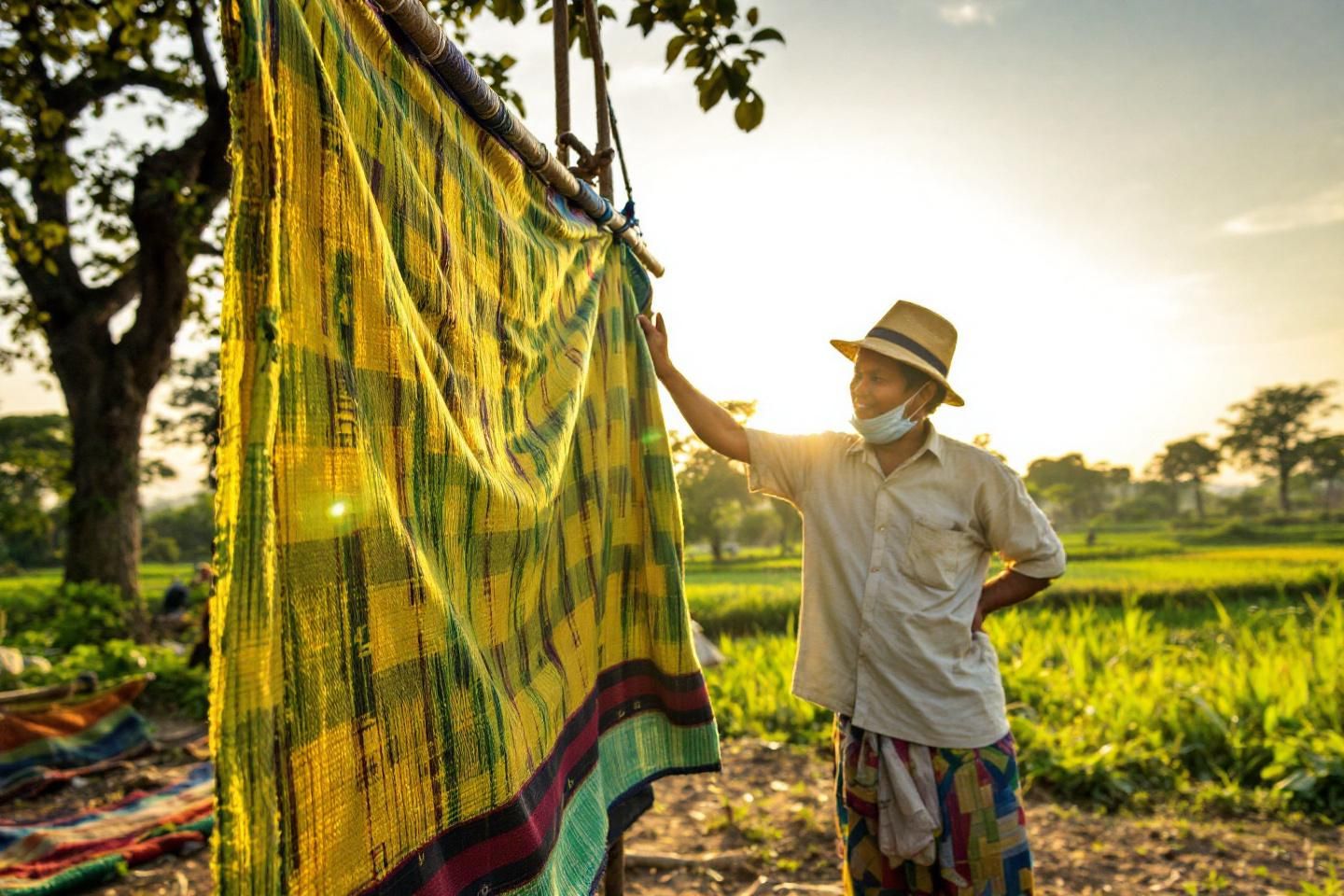
Investment climate and policy support in Cambodia
Cambodia’s investment climate combines economic dynamism with strategic foresight. This vibrant nation, nestled in the heart of Southeast Asia, offers fertile ground for investors like yourself seeking robust returns and sustainable growth. The Cambodian government has been proactive in creating a conducive environment that welcomes foreign investors. They have streamlined bureaucratic processes, making it easier to navigate through regulatory requirements. For instance, the establishment of Special Economic Zones (SEZs) provides tax incentives and infrastructure support, fostering an ecosystem ripe for business expansion.
The allure of favorable policies
Cambodia’s policy framework is designed to be investor-friendly, offering various advantages that could pique your interest:
- Tax holidays: Depending on the sector and investment size, you might enjoy several years of tax exemptions.
- 100% foreign ownership: Unlike many countries, Cambodia allows full foreign ownership in most sectors.
- No capital control: Repatriation of profits is straightforward, allowing you to manage your investments with ease.
The ASEAN integration further amplifies these benefits by providing access to a larger market. With Cambodia as your gateway, you can tap into regional supply chains and consumer bases across Southeast Asia. As an investor, you’re not just looking at numbers; you’re envisioning potential—potential that’s backed by supportive governance and a strategic location.
Navigating challenges with local expertise
While opportunities abound, navigating this terrain requires astute strategies and local insights. Language barriers or unfamiliar market dynamics can pose challenges. However, partnering with local experts who understand the intricacies of Cambodian regulations can effectively mitigate these risks. They will guide you through due diligence processes and help identify trustworthy partners within the region.
Your journey into Cambodia’s burgeoning economy is more than just an investment; it’s about becoming part of a transformative narrative where your ventures contribute to mutual prosperity. With reliable intelligence and personalized support from seasoned professionals at CamCK Business, you’re well-equipped to harness these opportunities while minimizing uncertainties.
Role of textiles and garments in Cambodia’s economic growth
Textiles and garments have been the linchpin of Cambodia’s economic landscape, serving as a robust pillar that supports the nation’s burgeoning economy. For those eyeing investment opportunities, this sector offers a compelling case with its blend of dynamism and resilience. Picture a vibrant tapestry woven from the threads of skilled labor, competitive production costs, and strategic geographic positioning within ASEAN. This is precisely what makes Cambodia an enticing destination for investors like you.
Key factors driving the sector:
- Abundant labor force: The country boasts a young and industrious workforce eager to contribute to this thriving industry.
- Favorable trade agreements: With preferential access to key markets such as the EU under the Everything But Arms (EBA) initiative, Cambodia’s garment exports enjoy substantial advantages.
- Strategic location: Nestled in Southeast Asia, Cambodia acts as a gateway to larger regional markets, enhancing its appeal for global textile giants.
Your investment here could leverage these strengths while navigating challenges like evolving regulations or infrastructure development needs. By engaging with local partners who understand the intricacies of the Cambodian market dynamics, you can mitigate risks effectively. This symbiosis not only enriches your portfolio but also contributes positively to Cambodia’s socio-economic fabric by creating jobs and fostering sustainable practices. As you explore this opportunity further through credible channels like CamCK Business , remember that investing in Cambodia’s textile sector isn’t just about capital returns—it’s about being part of a transformative journey shaping an entire nation’s future.
Future prospects and challenges for the garment industry in Cambodia
As you explore investment opportunities, Cambodia’s garment sector stands as a beacon of potential. With its burgeoning workforce and strategic location within ASEAN, the country offers an enticing avenue for growth. The textile industry has long been a linchpin of economic progress in Cambodia, providing jobs to millions and contributing significantly to GDP. As an investor, you could leverage these dynamics to tap into a market that continues to evolve.
Key Opportunities
The garment industry’s future in Cambodia looks promising due to several factors:
- Export Growth: With favorable trade agreements and preferential access to key markets like the EU under the “Everything But Arms” initiative, exports could see substantial increases.
- Sustainable Practices: There’s a growing shift towards eco-friendly production methods. By investing in sustainable technologies, you can align with global trends and consumer demands.
- Technological Advancements: Automation and digitalization are reshaping manufacturing processes. Adopting these innovations could enhance efficiency and product quality.
Potential Challenges
Navigating this landscape isn’t without hurdles:
- Regulatory Environment: Understanding local regulations is crucial. Engage with experts who offer insights into compliance requirements.
- Labor Market Dynamics: While labor is abundant, ensuring skill development remains vital for maintaining competitiveness.
- Sustainability Pressures: Meeting international sustainability standards requires ongoing investment in green technologies.
Your journey into Cambodia’s garment sector could be transformative. By addressing these challenges head-on with strategic foresight, you’re not just investing in textiles—you’re contributing to a nation’s economic tapestry. Embrace this opportunity with confidence and clarity!
FAQ
What makes Cambodia an attractive destination for textile and garment investments ?
Cambodia offers a competitive advantage in the textile and garment sector due to its strategic location in Southeast Asia, providing easy access to major markets like China and ASEAN countries. Additionally, the country’s young and abundant workforce, coupled with favorable trade agreements and tax incentives, such as those under the Generalized System of Preferences (GSP) and the Everything But Arms (EBA) initiative, make it an appealing investment destination for textile and garment manufacturers.
What is the primary driver for growth in Cambodia’s garment industry ?
The primary driver for growth in Cambodia’s garment industry is its strong and vibrant exports sector. with significant exports to major markets like the European Union and the United States, Cambodia’s garments are in high demand. Moreover, the government’s commitment to maintaining steady economic reforms and infrastructure improvements further enhances the industry’s potential for growth. These factors, combined with the low-cost labor force, position Cambodia as a key player in Southeast Asia’s garment manufacturing landscape.
How do government policies support textile investments in Cambodia ?
The Cambodian government actively supports textile investments through a variety of policies and initiatives. These include offering tax holidays and exemptions, simplifying business registration procedures, and investing in infrastructure to attract foreign investors. These measures are part of the broader Industrial Development Policy (IDP) aimed at enhancing Cambodia’s industrial potential and increasing value-added activities in the textile and garment sectors.
What challenges do investors face in Cambodia’s textile and garment industry ?
Investors in Cambodia’s textile and garment industry may encounter several challenges, such as infrastructural limitations and logistical bottlenecks. Additionally, there are concerns regarding labor standards, which can lead to strikes and disruptions. Maintaining compliance with international trade regulations and addressing environmental impact concerns are also critical challenges facing the industry. These factors necessitate careful planning and local knowledge when investing in Cambodia.
What impact does the textile industry have on Cambodia’s economy ?
The textile industry plays a significant role in Cambodia’s economy, contributing substantially to GDP and employment. It is responsible for a large proportion of the country’s export revenue and provides jobs to hundreds of thousands of Cambodians, particularly women in the workforce. The growth of this sector has led to increased industrialization and urbanization, further driving economic development across the country.
We recommend these other pages :
- How do Investment opportunities in Cambodia in tourism strengthen the country’s international attractiveness?
- How do Investment opportunities in Cambodia in real estate meet the needs of rapid and sustainable urbanization?
- Why do Investment opportunities in Cambodia in infrastructure provide a strategic lever for trade?
- How do Investment opportunities in Cambodia in renewable energy support a sustainable transition?
- How do Investment opportunities in Cambodia in technology and digital industries foster local innovation?
