I. Opportunities for Foreign Investors and Strategic Establishment
Cambodia is today one of the most dynamic agricultural markets in Southeast Asia. Driven by a young demographic profile, progressive urbanization, and growing demand for both local and international food products, the country benefits from significant agricultural potential that remains largely underexploited. For investors, this situation creates a favorable environment, provided the market is approached with a structured and legally secured vision. Investing in agriculture in Cambodia does not simply mean identifying land opportunities or profitable activities; success depends on solid legal structuring, coherent tax organization, realistic financial modeling, and a thorough understanding of the local regulatory framework.
II. A Competitive Establishment Cost
In a regional context where several agricultural markets have reached an advanced stage of maturity, Cambodia maintains a competitive position in terms of establishment costs. The country notably offers:
- Land costs that remain attractive
- An available workforce
- Moderate operational expenses
- A favorable tax environment
This allows investors to consider long-term projects with significant appreciation potential, while maintaining strategic flexibility in the organization and evolution of the project.
III. A Strategic Geographic Position
Located between Thailand and Vietnam and a member of ASEAN, Cambodia benefits from a strategic regional position, enabling investors to consider privileged access to Southeast Asian markets.
- Facilitated access to regional markets
- Export opportunities to China and other international markets
- Progressive support from developing logistics infrastructure
This location facilitates trade flows, cross-border partnerships, and export orientation, subject to compliance with required sanitary and regulatory standards, while maintaining a competitive operational base locally.
IV. Why Cambodia Attracts International Agricultural Investors
Strong Development Potential
Cambodia has millions of hectares of agricultural land that are available or underutilized, offering significant development potential for small-, medium-, or large-scale operations. Key sectors include:
- Cereal crops
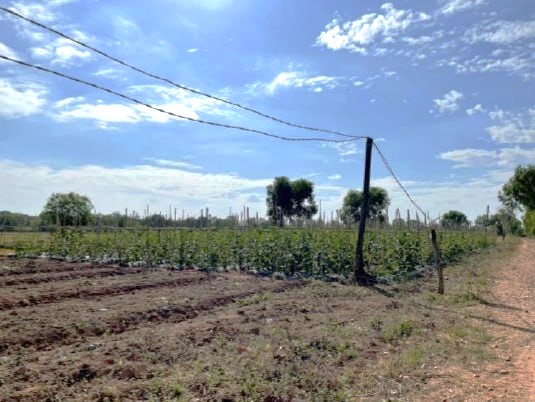
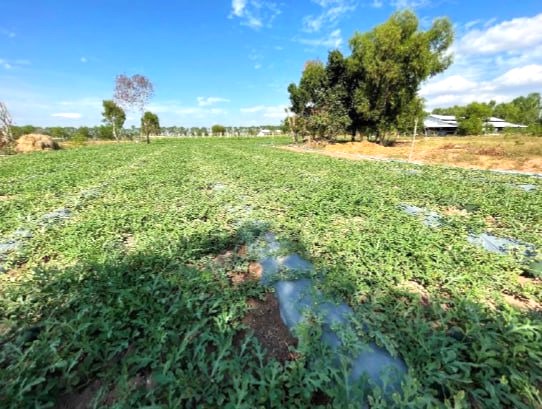
- Market gardening
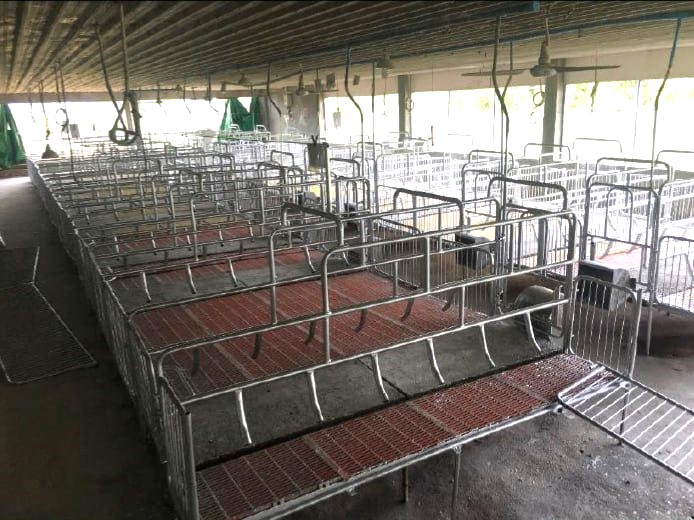
- Livestock
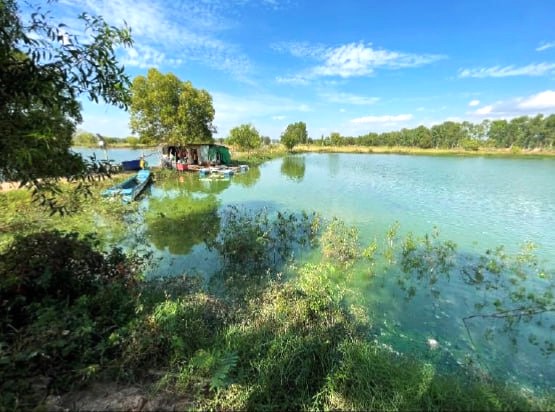
- Aquaculture
- High value-added specialized crops
Access to regional markets strengthens the diversification of outlets, allowing well-organized agricultural operations to target not only the domestic market but also regional and even international circuits when required standards are met.<br>In several agricultural provinces, relatively stable access to water resources, naturally fertile soils, and favorable climatic conditions represent important structural advantages, providing a suitable environment for diversified and scalable agricultural projects.
V. Growing Local and Regional Demand
Driven by population growth, progressive urbanization, and evolving consumption habits toward higher-quality and more structured products, local demand for fresh produce continues to grow steadily. The development of tourism, the expansion of urban centers, and the modernization of distribution channels sustainably support demand for:
- Fresh products
- Meat
- Aquaculture products
- Value-added products
This internal dynamic, combined with the country’s geographic position at the heart of Southeast Asia, reinforces the attractiveness of the agricultural sector for investors seeking to structure projects oriented toward the domestic market while integrating a regional perspective.
VI. High-Potential Agricultural Sectors
=> Livestock
Livestock represents a structuring pillar of Cambodia’s agricultural sector, with potential outlets at domestic, regional, and international levels, subject to compliance with required sanitary and logistical standards. The most relevant models include:
- Pig farming, characterized by relatively short production cycles
- Cattle farming, positioned within a long-term value appreciation strategy
The performance of these segments depends on input management, rigorous sanitary control, and structured contractual arrangements for sales outlets.
=> Fruit and Vegetable Production
The production of fresh vegetables and fruits benefits from sustained demand, also supported by the expansion of the hospitality sector, the modernization of urban markets, and growing interest in quality local products. Opportunities notably include:
- Fast-rotation crops
- Supply under structured contracts
- Short supply chains and regional diversification
- Export-oriented positioning
Success depends on efficient logistics organization, consistent production, and quality positioning aligned with target markets.
=> Specialized Agriculture and Processing
Beyond primary production, value creation relies on specialization and processing, segments that still offer strong development potential in Cambodia. Promising segments include:
- Organic products
- High unit-value crops
- Aromatic and medicinal plants
- Niche export-oriented sectors
Agro-processing helps reduce exposure to seasonal cycles; a model integrating both production and processing provides increased resilience and broader access to international markets.
=> Aquaculture
Aquaculture is among the most dynamic segments in the country. Historically high demand for aquaculture products continues to grow in urban centers and tourist areas. The development of structured pond-based operations responds to the gradual decline of natural fishery resources. Viable models include:
- Semi-industrial operations
- Vertical integration with local processing
- Progressive structuring toward regional or export markets
All these dynamics confirm that Cambodia’s agricultural sector no longer relies solely on primary production but is progressively moving toward a more integrated structure focused on quality, processing, and diversification of outlets. Whether in livestock, fruit and vegetable production, agro-processing, or aquaculture, opportunities exist at different scales. The key lies in the ability to structure the project, secure the operational framework, and align the economic model with local and regional market realities.
From this perspective, agriculture in Cambodia represents not only an economic sector but also a long-term strategic development axis for international investors seeking growth, diversification, and regional positioning.
VII. A Structured Approach for Sustainable Establishment
Establishing an agricultural project in Cambodia requires rigorous anticipation of administrative and regulatory obligations. A structured investment notably relies on:
- The creation and registration of an appropriate legal structure, including for foreign investors
- Compliance with tax and reporting obligations
- Obtaining the licenses and authorizations required according to the activity
- Formalizing contractual commercial and operational relationships
Failure to structure administrative matters in advance is one of the main vulnerability factors for projects, potentially leading to delays, operational blockages, or exposure to legal and tax risks.
CamCK Business CenterPoint Support
We act as an independent advisor and strategic partner for investors wishing to structure their establishment in Cambodia.
Our support includes:
- Legal Structuring
- Contractual Structuring
- Administrative Coordination
- Assistance with Tax Registrations
- Licenses and Authorizations
- Interface with Local Administrations
Agriculture in Cambodia today represents an opportunity for investors seeking diversification, regional growth, and long-term appreciation potential.
With appropriate structuring and professional support, it is possible to transform market potential into a sustainable and high-performing activity.
CamCK Business CenterPoint supports you at every stage of your agricultural project in Cambodia.
Investing in agriculture in Cambodia, opportunities for investors. Company formation, legal structuring, and strategic support with CamCK Business CenterPoint.