

Sommaire
Maritime connectivity refers to the intricate network of trade routes enabling the flow of goods by sea. In Cambodia, this connectivity plays a central role in shaping the real estate market. If you’re pondering over real estate investment, understanding how maritime routes influence capital gains can be pivotal. Effectively linked ports can boost economic activity, attracting investors looking for growth opportunities.
Through an exploration of Cambodia’s strategic port locations, this page will unravel the layers of potential that await savvy investors like you. By grasping the economic impacts of shipping routes, you can align investments for promising returns. Together, we’ll delve into how these maritime avenues can guide your investment decisions.
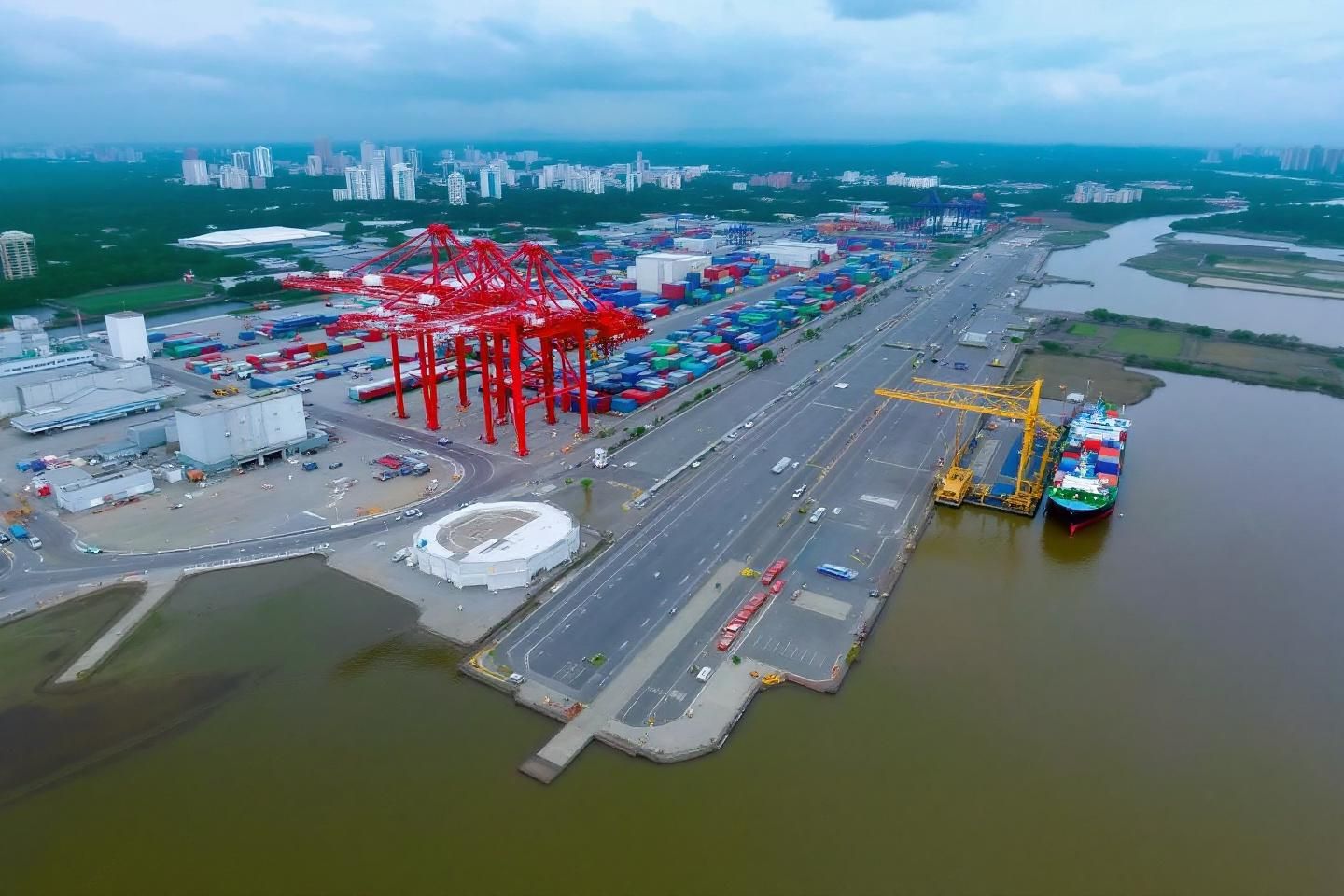
The role of maritime connectivity in Cambodia’s real estate market
Maritime connectivity plays a pivotal role in shaping Cambodia’s burgeoning real estate market. As the country continues to integrate into global trade networks, its strategic location along key maritime routes offers significant advantages for investors like you seeking lucrative opportunities. Consider the bustling ports of Sihanoukville and Phnom Penh, where ships laden with goods from around the world dock daily, facilitating commerce and economic growth.
These vibrant hubs not only enhance trade but also drive demand for commercial and residential properties. Envision a thriving waterfront district where businesses flourish, attracting both local entrepreneurs and international corporations eager to capitalize on Cambodia’s expanding economy. This surge in economic activity translates into increased property values and rental yields, offering you potential capital gains that are hard to overlook.
Moreover, the government’s commitment to developing port infrastructure further amplifies these prospects. With plans for modernizing facilities and improving logistical efficiency, Cambodia positions itself as a critical node in Southeast Asia’s maritime network. Such developments could lead to an influx of foreign investments, creating a ripple effect across various sectors including real estate.
For those considering entry into this dynamic market, it’s crucial to understand how maritime connectivity influences property trends. By aligning your investment strategy with areas benefiting from enhanced trade activities, you can tap into high-return opportunities while mitigating risks associated with market volatility. As you explore Cambodia’s real estate landscape, keep an eye on its ports—they’re not just gateways for goods but also key drivers of property value appreciation.
Economic impacts of maritime trade routes on Cambodia’s real estate investment potential
Maritime trade routes have long served as the lifeblood of economies, and Cambodia is no exception. The strategic positioning of its ports along these crucial waterways enhances the country’s allure for real estate investors like you. As ships laden with goods traverse these bustling corridors, they bring with them a cascade of economic opportunities that ripple through urban landscapes. Vibrant growth in areas surrounding key ports such as Sihanoukville and Phnom Penh Autonomous Port is evident. These hubs not only facilitate international trade but also catalyze infrastructure development, leading to burgeoning demand for residential and commercial properties.
Key Economic Benefits
Let’s explore some tangible benefits that maritime connectivity brings to your investment portfolio:
- Increased Trade Volume: With enhanced port facilities, Cambodia can handle larger volumes of imports and exports, stimulating economic activity.
- Infrastructure Development: Improved roads, bridges, and logistics networks emerge around active ports, boosting property values.
- Job Creation: Ports generate employment opportunities in sectors ranging from shipping to hospitality, attracting a workforce in need of housing.
The synergy between maritime commerce and real estate growth creates an environment where capital appreciation becomes more than just a possibility; it transforms into a promising reality. By understanding this dynamic interplay, you position yourself advantageously within Cambodia’s evolving market landscape.
Strategic port locations in Cambodia and their influence on real estate capital gain
As you consider diving into the Cambodian real estate market, understanding the strategic significance of its port locations is crucial. Ports like Sihanoukville, a bustling hub on the Gulf of Thailand, are not just gateways for maritime trade but also catalysts for regional economic growth. These ports enhance connectivity, making surrounding areas ripe for investment opportunities. Owning property near a port that’s seeing an influx of international trade could translate to higher demand for residential and commercial spaces, leading to significant capital appreciation.
The Ripple Effect of Port Development
Ports act as economic powerhouses. When port infrastructure improves or expands, it attracts businesses and industries looking to leverage logistical advantages. This influx creates jobs and boosts local economies. Consequently, real estate near these ports becomes more desirable. For instance:
- Sihanoukville: With its Special Economic Zone, this area is becoming a magnet for foreign investors.
- Kampot: Known for its serene landscapes, it’s gaining attention due to proposed port enhancements.
Your investment in such locations could yield substantial returns as these areas develop further.
Navigating Risks and Opportunities
While investing near ports offers lucrative prospects, it’s essential to navigate potential risks like regulatory changes or environmental concerns. Collaborating with local experts ensures you make informed decisions that align with your financial goals. By doing so, you leverage Cambodia’s maritime connectivity to maximize the potential gains of your real estate investments.
FAQ
How does maritime connectivity influence real estate investment in Cambodia ?
Maritime connectivity plays a crucial role in real estate investment in Cambodia. the country’s strategic location along important maritime routes enhances its trade opportunities, making it more attractive to investors. Improved port facilities and shipping services lead to increased commerce, economic growth, and potentially higher property values, as noted by CamCK Business.
What regions in Cambodia benefit the most from maritime connectivity ?
Regions such as Sihanoukville benefit significantly from maritime connectivity, due to their proximity to key ports. Sihanoukville has been developing as a major economic zone, with its deep-sea port facilitating international trade. This region’s development is a focal point for real estate investment, with the potential for substantial capital gains as maritime infrastructure continues to improve.
What should investors consider about maritime laws when investing in Cambodia ?
Investors should be mindful of Cambodia’s maritime laws and regulations, as these can impact property and business operations near coastal areas. Compliance with these laws ensures smooth operations. Agencies like CamCK Business can provide guidance on navigating these regulations to mitigate risks and align investments with local legal requirements effectively.
Why is Sihanoukville a focus for real estate investors ?
Sihanoukville is a focus for real estate investors due to its rapidly expanding economic zone and enhanced accessibility via maritime routes. Its strategic position on the Gulf of Thailand makes it an ideal hub for shipping and trade. This, coupled with government-backed infrastructure projects, promises substantial growth in property values, attracting diverse investment interests.
How do fluctuations in maritime trade impact property values ?
Fluctuations in maritime trade can significantly impact property values in Cambodia. increased trade activities boost demand for commercial and residential properties, driving up prices. Conversely, a downturn can slow economic growth, affecting real estate market dynamics. Investors should monitor trade patterns and market forecasts to anticipate and adapt to these changes effectively.
We recommend these other pages :
- In what ways does port proximity attract international investors to Real estate investment in Cambodia?
- How does coastal access support tourism development and add value to Real estate investment in Cambodia?
- In what ways do coastal areas favor residential and commercial projects in Real estate investment in Cambodia?
