1. Cambodia’s Expanding Urban Framework
As Cambodia’s secondary urban centers mature, Siem Reap is entering a phase of structured residential expansion beyond its traditional tourism core. This transition reflects gradual infrastructure improvements, broader urban integration, and the steady consolidation of emerging districts.
For investors allocating moderate levels of capital, this stage of growth presents balanced opportunities within the Cambodia property investment landscape. Residential assets situated in expanding corridors, particularly within accessible capital ranges, can serve as flexible entry platforms aligned with medium-term development strategies.
As road networks, utilities, and neighborhood services continue to extend outward, these peripheral zones increasingly support mixed-use activity and stable residential demand. Adaptable properties in such locations can function as practical launchpads for diversified investment models, combining rental stability with repositioning potential as urban density gradually increases.
2. Strategic Positioning of Mid-Entry Assets
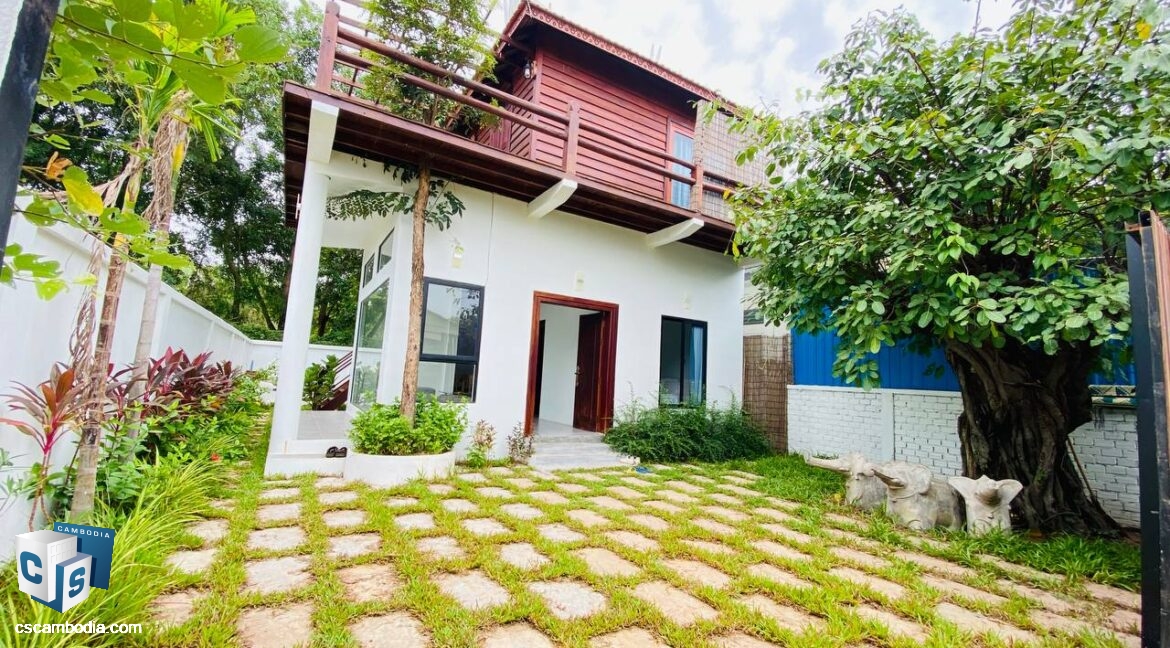
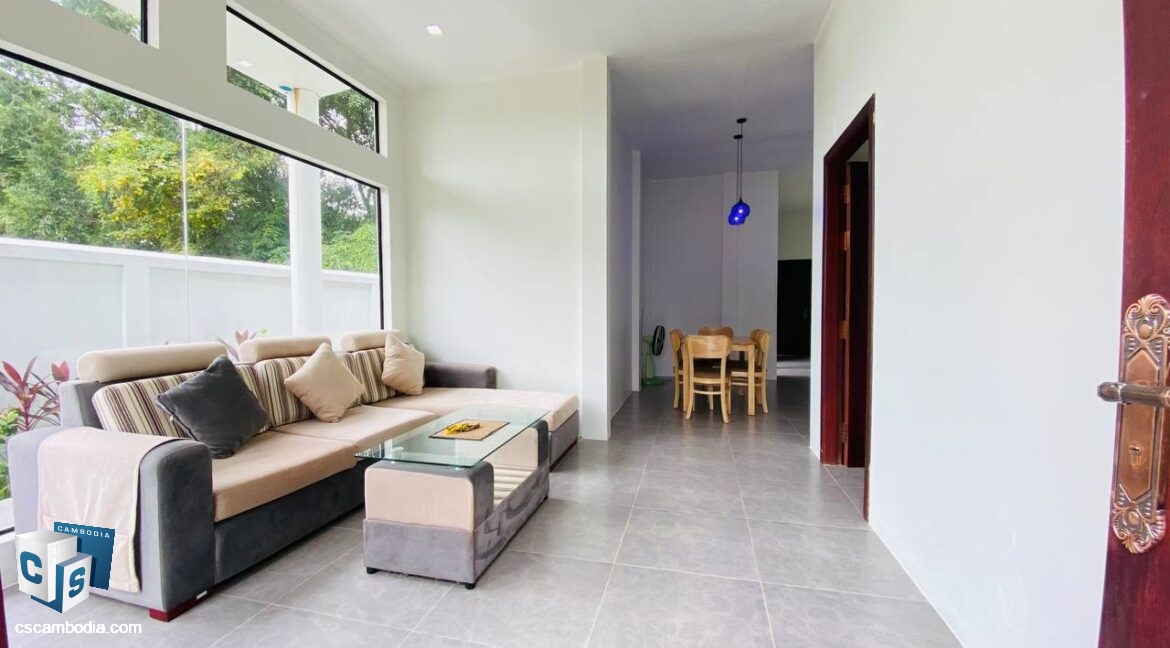
Flexible mid-entry residential investments typically include larger homes, improved villas, or strategically located land suitable for controlled residential development. These assets are positioned within expanding neighborhoods that demonstrate increasing infrastructure reliability and service availability.
This tier bridges the gap between entry-level holdings and active development projects.
3. Structural Advantages for Investors
Key advantages include:
• Greater scalability than entry-level assets
• Balanced exposure between yield and appreciation
• Adaptability for owner-occupation or rental
• Stronger resale optionality
For foreign investors in Siem Reap real estate, this segment offers operational simplicity with moderate capital leverage.
4. Development and Diversification Potential
Mid-entry residential assets may be repositioned as:
• Long-term rental homes
• Small serviced housing units
• Renovated lifestyle residences
• Incremental redevelopment sites
Their flexibility allows investors to adjust positioning according to market cycles.
5. Profitability Levers
Profitability in this bracket is influenced by:
• Stable rental demand
• Value enhancement through renovation
• Infrastructure-led appreciation
• Moderate operational overhead
6. Cambodia’s Strategic Context
Cambodia’s pro-investment regulatory environment, expanding trade integration, and urban infrastructure upgrades reinforce the appeal of mid-entry residential investments. In Siem Reap, residential demand increasingly complements tourism-driven activity.
7. Long-Term Alignment
Mid-entry investments function best within medium-term holding strategies. Investors should integrate conservative financial modeling and regulatory due diligence into acquisition planning.
8. CamCK Business CenterPoint Advisory Support
From an administrative perspective, CamCK Business CenterPoint provides structured support tailored to mid-entry residential investments in Cambodia.
Our services include:
- Company formation and corporate structuring for foreign investors
- Regulatory compliance coordination with relevant authorities
- Guidance on ownership structures and legal documentation
- Support with registration procedures and administrative filings
- Tax registration and general compliance advisory
- Ongoing administrative follow-up to ensure regulatory alignment
Our objective is to ensure that each investment is properly structured from a legal and administrative standpoint, minimizing risk and ensuring full compliance within Cambodia’s regulatory framework.