Cambodia continues to attract foreign investors seeking exposure to Southeast Asia’s emerging markets. Supported by a young demographic profile, expanding infrastructure, and a progressively business-friendly regulatory environment, the country offers diversified real estate and development opportunities.
Within this broader national context, Siem Reap is gradually transforming. While historically centered on heritage tourism, the city is increasingly positioning itself as a lifestyle-oriented urban hub. This shift is generating more structured opportunities across residential, hospitality, wellness, and mixed-use segments. Among the most compelling niches is the development of lifestyle assets in golf-adjacent and low-density residential zones, where environmental quality and accessibility intersect.
Strategic Positioning: Golf-Adjacent Lifestyle Assets
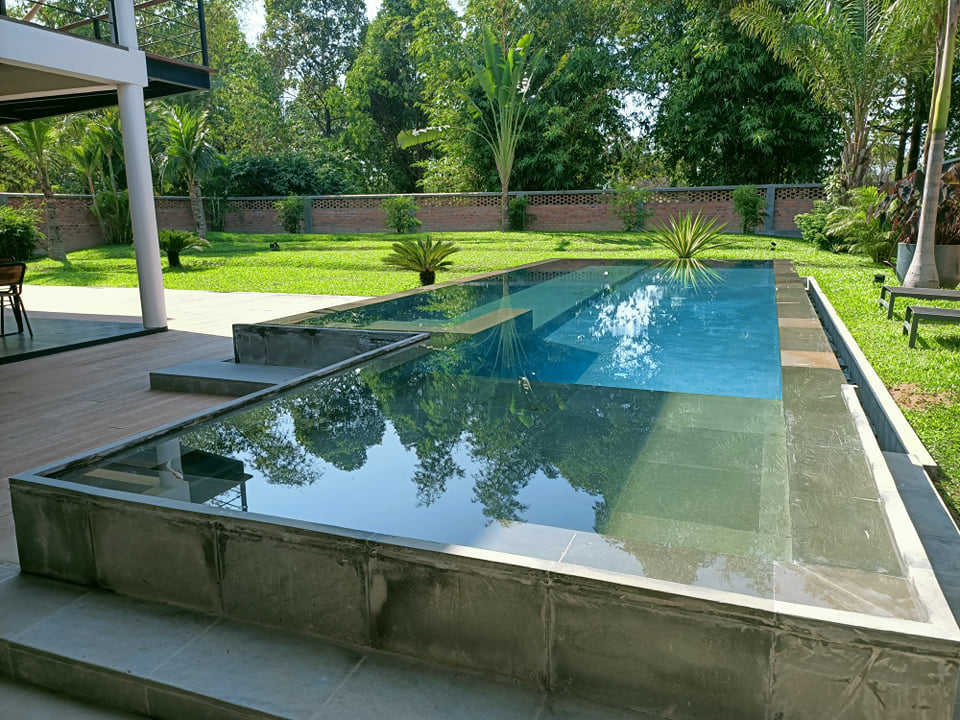
Properties located near established golf environments and premium residential corridors present a distinct investment profile. These zones typically combine:
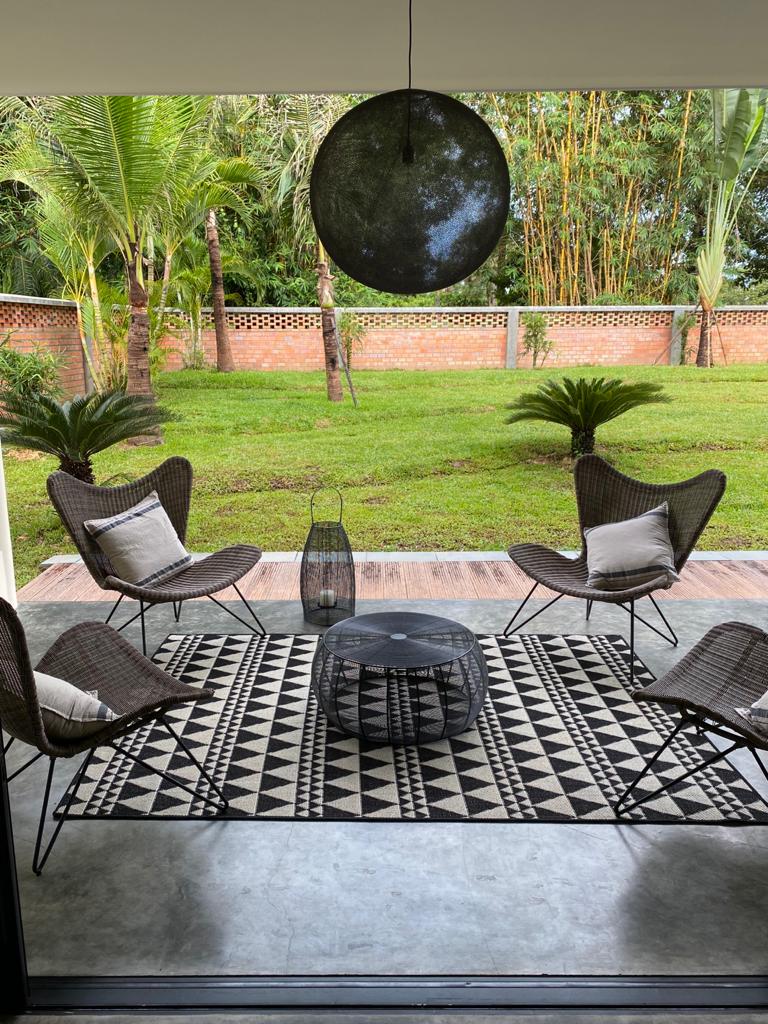
• Green surroundings and controlled urban density
• Accessibility to central amenities
• Strong appeal to international residents and affluent travelers
• Long-term land value preservation potential
For investors targeting mid-scale projects, this segment offers a balanced positioning. It allows exposure to operational income, whether through hospitality or residential use, while maintaining capital stability through underlying land value. Rather than competing directly in high-density urban or large-scale hotel markets, golf-adjacent lifestyle assets differentiate through environment, privacy, and curated positioning.
Structural Advantages for Foreign Investors
One of the primary strengths of this asset category lies in location-driven differentiation. In competitive hospitality and residential markets, environmental quality, privacy, and adjacency to recognized lifestyle anchors support stronger branding and clearer niche targeting.
These assets are also inherently adaptable. Low-density villas or lifestyle compounds can be repositioned across multiple operational models without heavy structural redevelopment, allowing investors to respond to evolving market demand.
Operationally, mid-scale lifestyle assets typically involve lower complexity compared to large hotels or mixed-use developments. Smaller teams, streamlined management structures, and flexible cost bases contribute to controlled risk exposure.
Importantly, low-density residential zones anchored by lifestyle infrastructure often demonstrate stronger land-backed value retention, providing a level of downside protection in fluctuating cycles.
Development and Diversification Models
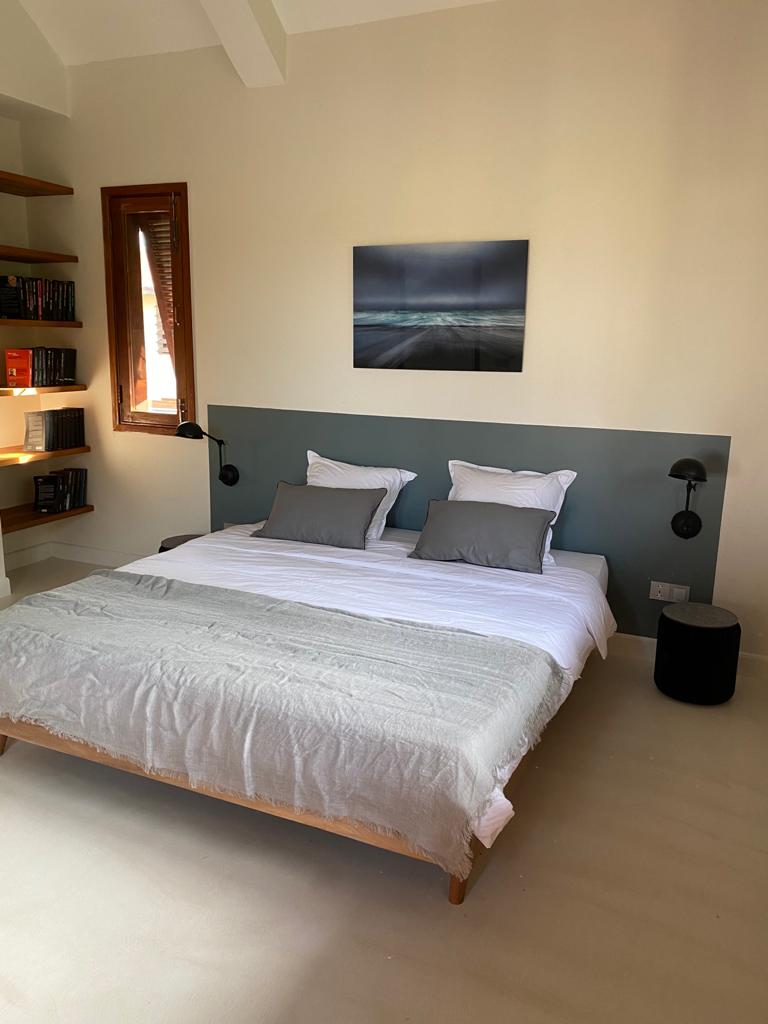
This segment supports several viable strategic approaches. Investors may pursue boutique, experience-driven hospitality concepts targeting golf travelers, wellness-oriented guests, or curated tourism segments. Alternatively, assets can be positioned as executive or long-stay residences serving professionals, entrepreneurs, and expatriate communities.
Wellness-focused retreat platforms, incorporating event hosting, creative residencies, or specialized programming, also align with global lifestyle trends. Mixed-use lifestyle integration, combining accommodation with dining, event space, or service-based components, can further diversify revenue streams.
The defining characteristic of this segment is flexibility. Its strength lies not in volume, but in adaptable positioning and targeted market alignment.
Profitability Levers and Strategic Considerations
In lifestyle-focused real estate investments, profitability is typically driven by:
• Strong brand positioning and narrative
• Targeted niche segmentation
• Controlled operational costs
• Flexible pricing models
• Multi-channel revenue generation
Investors should approach these opportunities with disciplined feasibility analysis, including:
• Conservative occupancy modeling
• Regulatory and zoning verification
• Long-term maintenance planning
• Defined exit or holding strategy
Structured planning is essential to transform environmental appeal into sustainable returns.
Why Cambodia and Siem Reap Remain Attractive
Cambodia continues to offer several advantages for foreign investors:
• Competitive cost structures
• Accessible corporate formation pathways
• Regional trade integration
• Ongoing infrastructure development
• Expanding lifestyle-driven demand
Siem Reap, in particular, benefits from global recognition and increasing diversification beyond traditional mass tourism. As the city matures, differentiated lifestyle developments are well positioned to capture value from both tourisms flows and residential demand.
For foreign investors seeking mid-scale exposure with manageable complexity, this market segment aligns with long-term positioning rather than speculative expansion.
CamCK Business CenterPoint: Structuring Strategic Investment
At CamCK Business CenterPoint, we support international investors seeking structured exposure to Cambodia’s real estate market through:
• Company formation guidance
• Licensing coordination
• Compliance advisory
• Contractor coordination
• Ongoing advisory services
Our approach focuses on structuring resilient investment platforms rather than promoting isolated assets.
Positioning for Long-Term Value Creation
Golf-adjacent lifestyle development opportunities in Siem Reap represent a balanced entry into Cambodia’s evolving urban growth cycle. When approached with disciplined structuring and realistic financial modeling, this segment can provide both operational income and long-term capital appreciation.
Investors seeking strategic, mid-scale exposure to Cambodia’s real estate market will find this asset category aligned with long-term positioning rather than short-term speculation.
Contact CamCK Business CenterPoint to structure your next investment opportunity in Cambodia with clarity and strategic oversight.